QRio: Bridge the air gap
QRio: Bridge the air gap

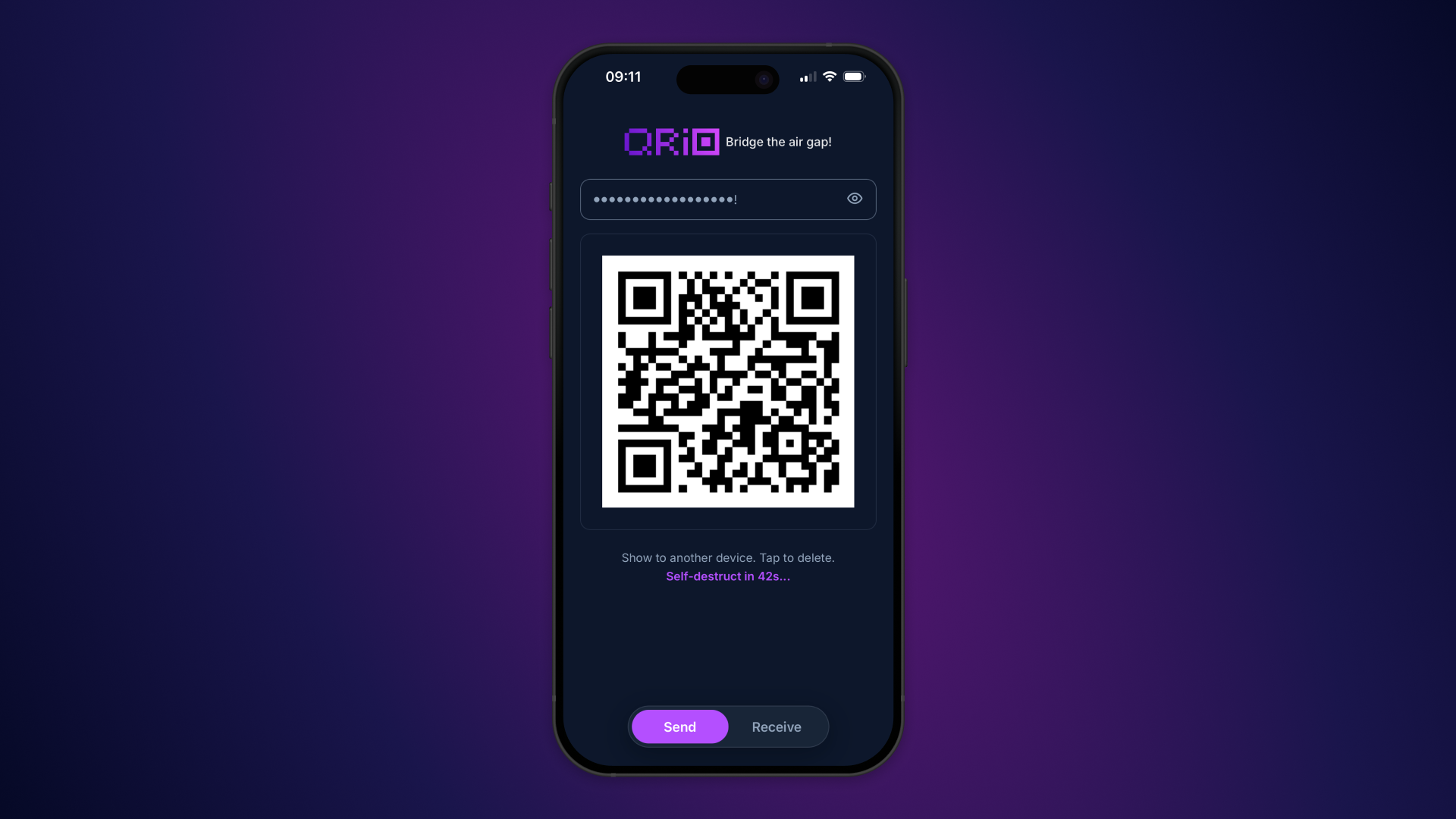
I kept having to type long passwords by hand into work laptops that didn't have my password manager installed. The typos alone made it annoying enough to fix. QRio generates a QR code containing whatever sensitive information you need to move, with a timeout that destroys it after a set period. All processing stays on your device.

The question it started with was small and practical: can you bridge the air gap without relying on infrastructure you don't control?

Try it →

Connected to: Tools and craft

Memento

Memento

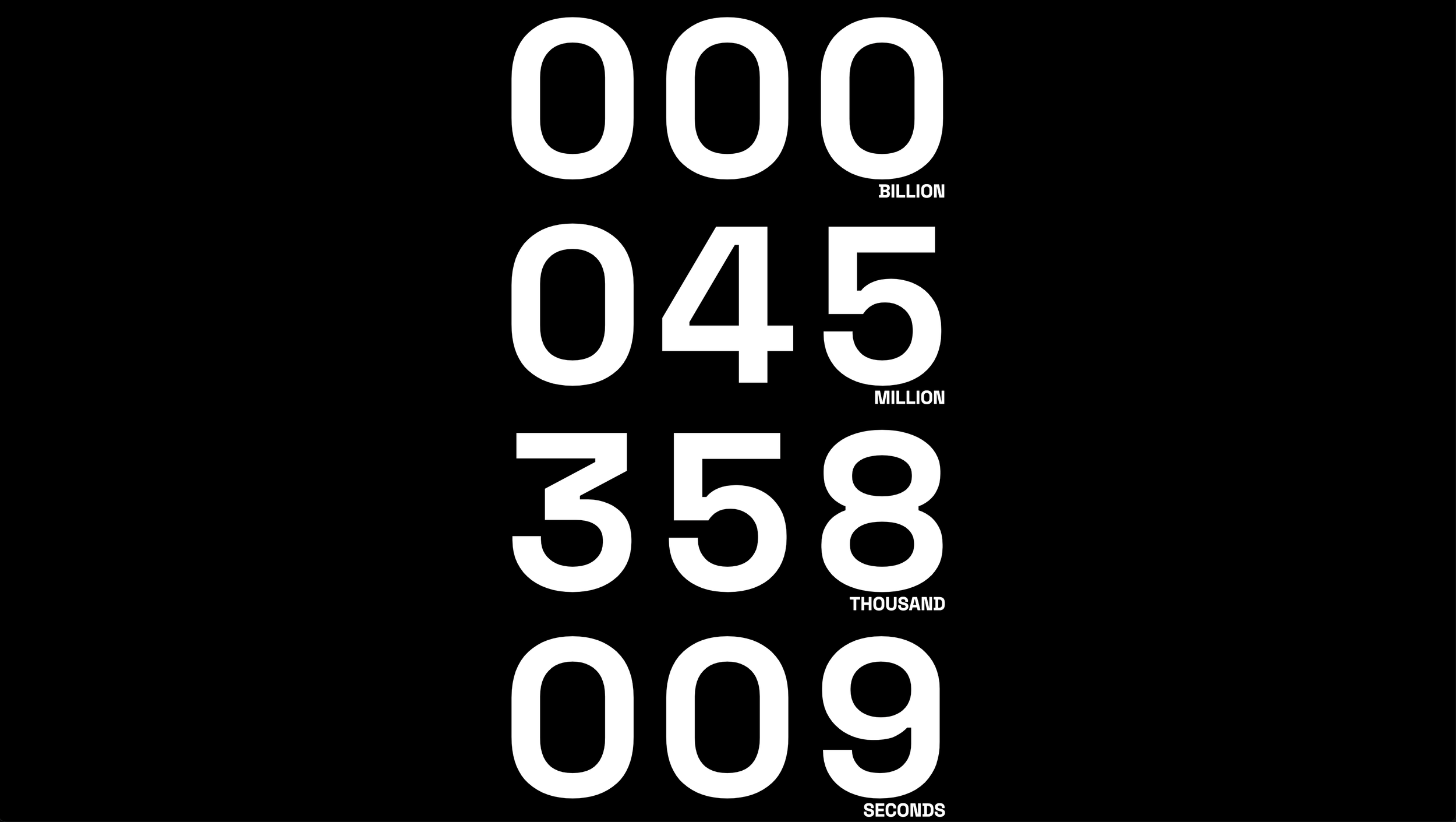
Memento is a clock that can count up from or down to a specific time you choose. Set it to your birthday and it shows you over a billion seconds of existence. The 12-digit display can hold nearly 32,000 years, surpassing all of written history.

The question it keeps asking: what does time feel like when you stop dividing it into hours and just let it accumulate?

Try it →

Connected to: Time and impermanence

Hidden music desk

Hidden music desk 1
Hidden music desk 2
Hidden music desk 3

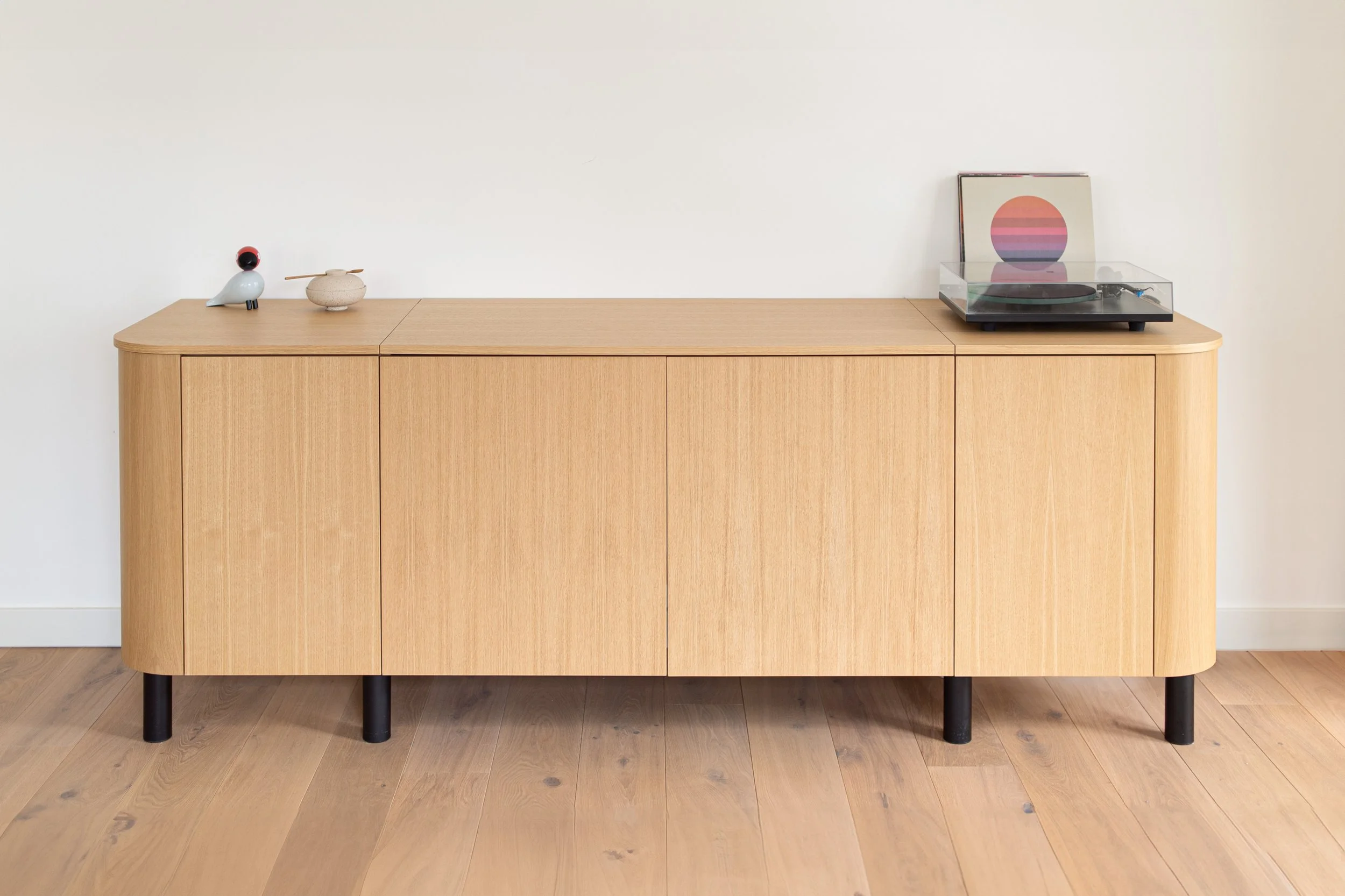
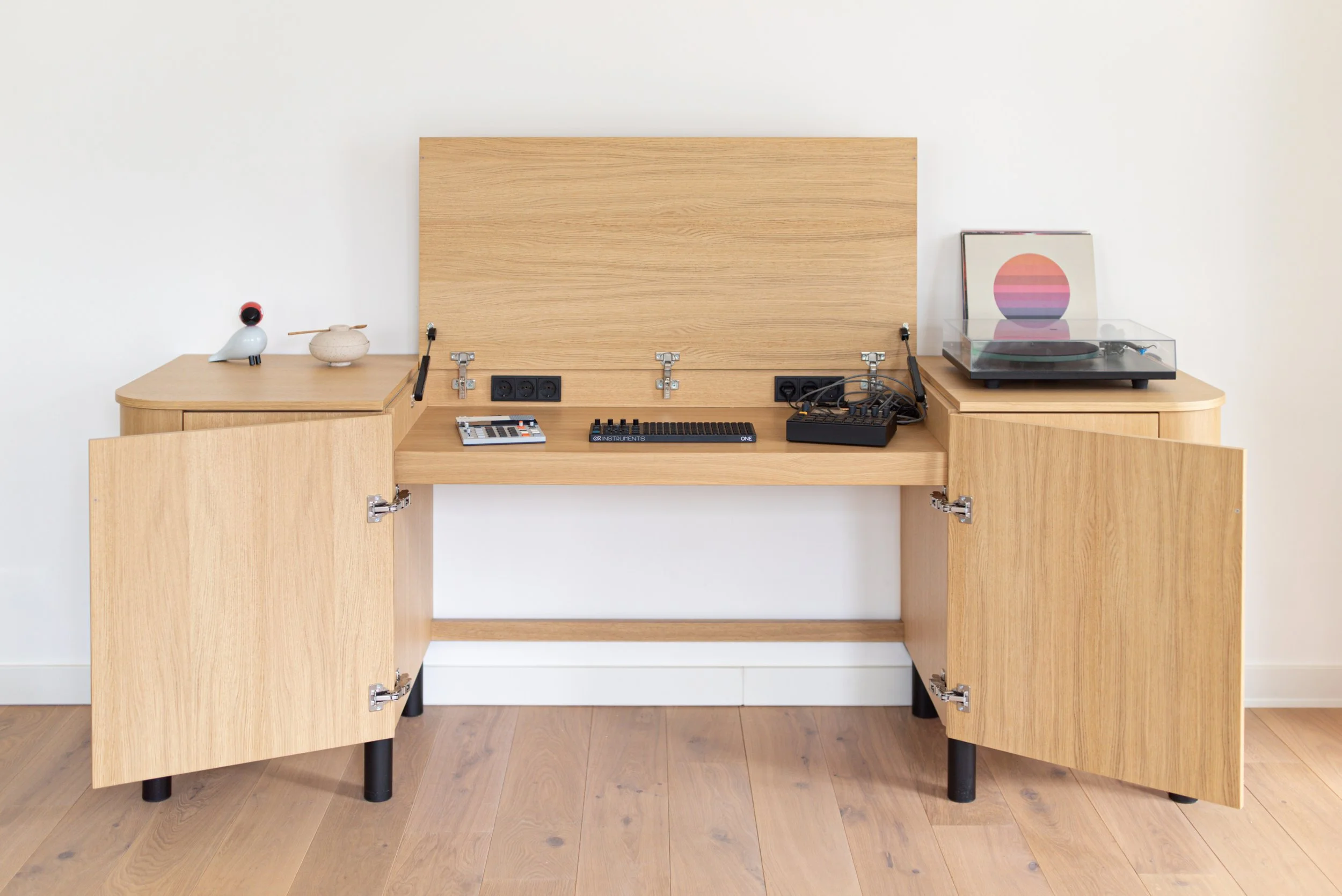
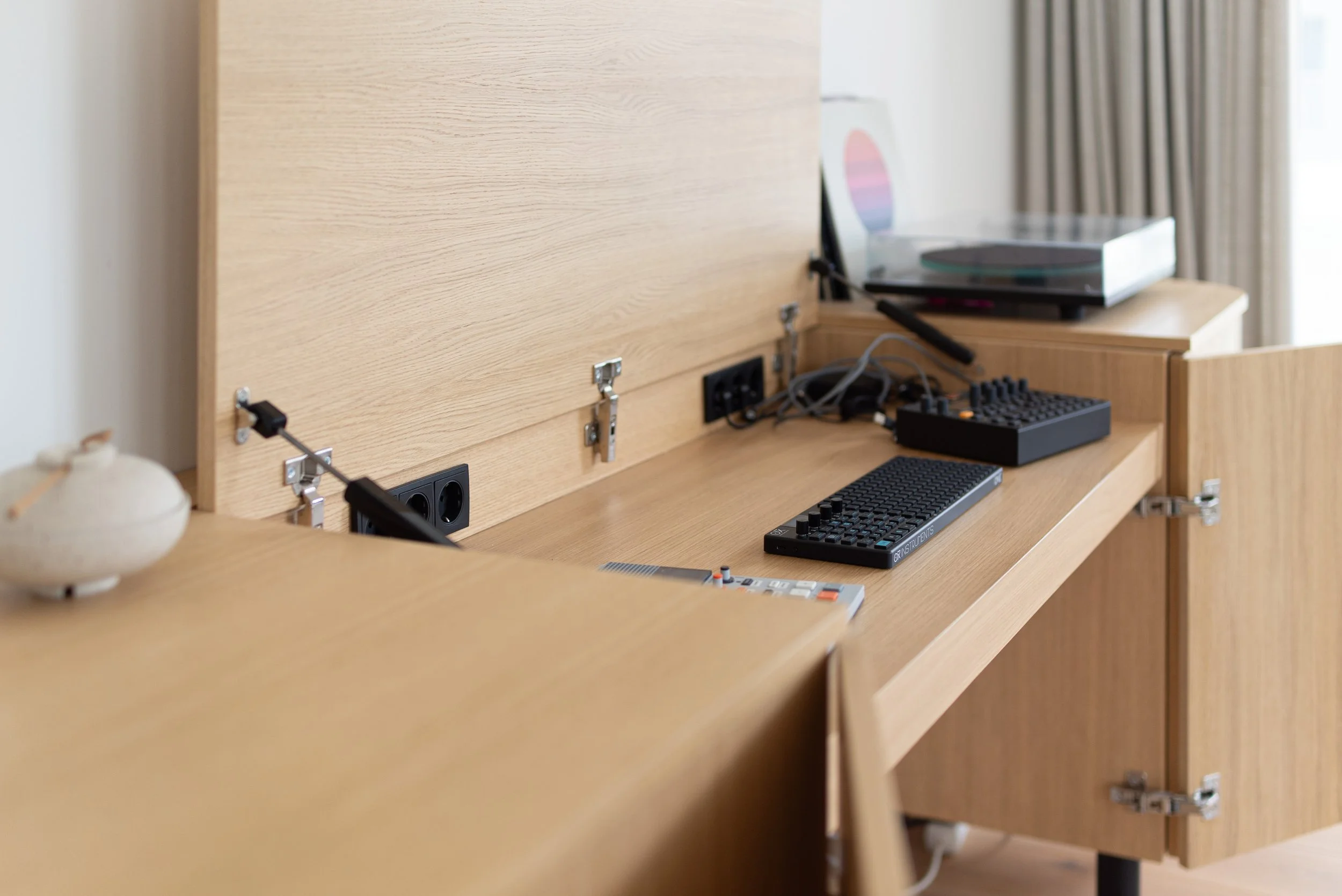
I needed a place to keep my synthesizers that didn't read as a studio. The desk was designed to pass as a dresser when closed: same proportions, gear out of sight, nothing announcing itself. When I need to sit down and work, it opens up. Built-in power sockets, storage for a stool underneath.

The question underneath the furniture question: what happens to a creative practice when its tools stop being visible?

Connected to: Tools and craft
Music of the Helixes

DNA is a long sequence of letters that the body interprets into amino acids. We can see it visualised and still not really understand it. This project asked what would happen if you turned it into sound instead. A custom processing application translates the RNA sequence of the human X genome into notes, which are sent via MIDI to a synthesizer in Ableton.

The interest was less in accuracy than in presence: what changes when you move information from a medium the brain reads to one it feels?

Entropy

Entropy 1
Entropy 2

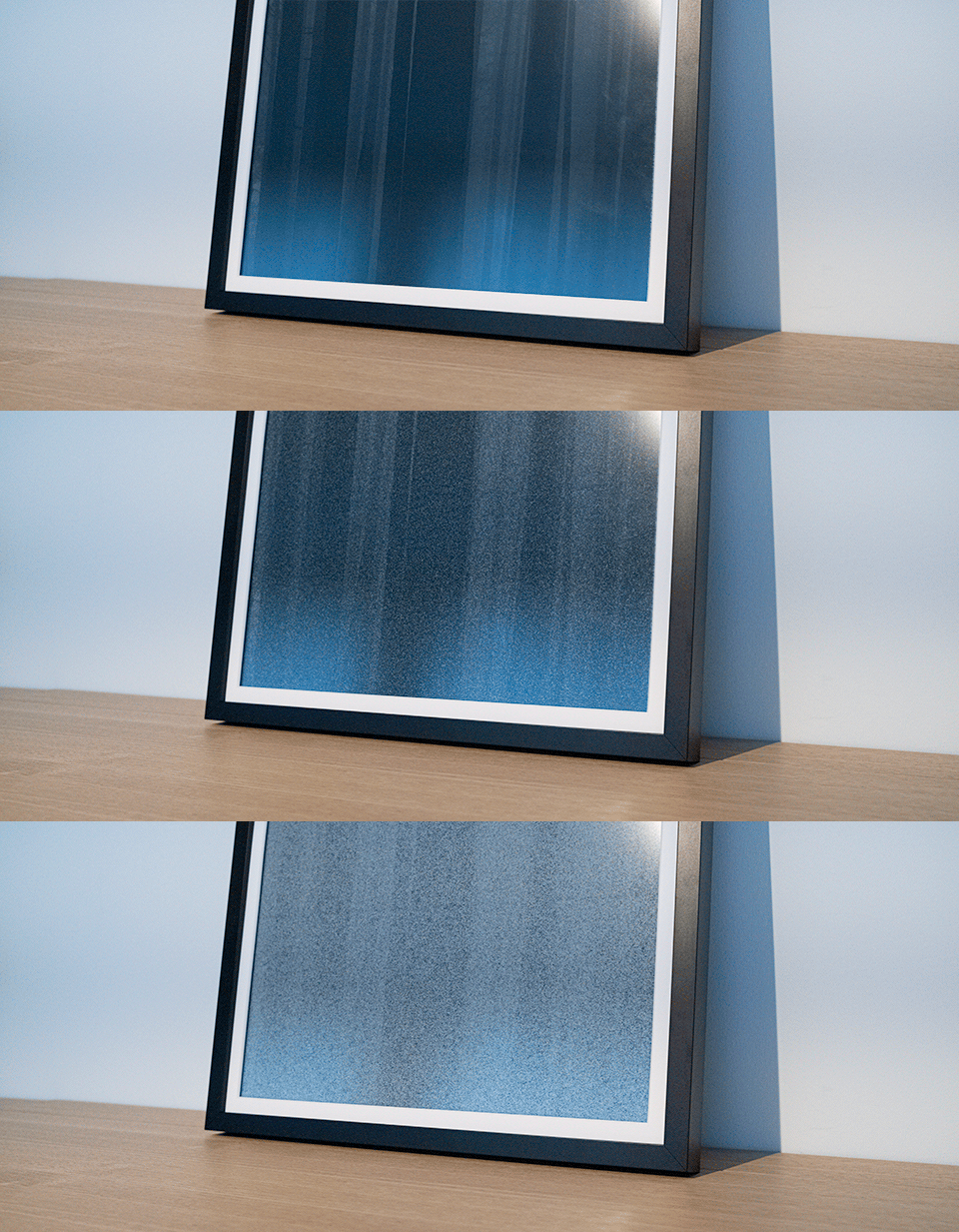
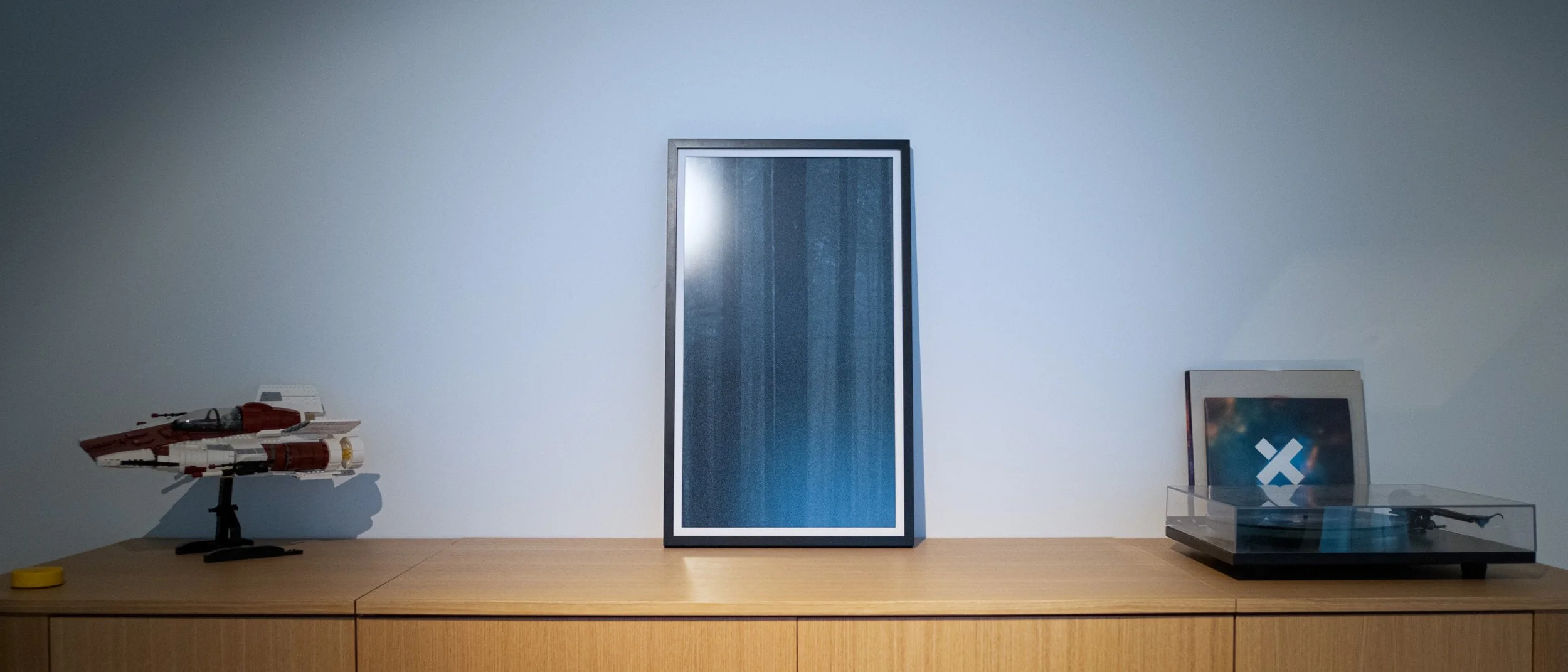
Entropy is a 32-inch e-paper artwork in a wooden frame. The screen displays an image and flickers once an hour, losing pixels each time. The process is irreversible: the image cannot be recovered. It is, in that sense, the physical form of Digital Decay. The screen quality makes it read like a print, which is part of what makes the flickering surprising.

The question it sits with: what do we actually value about a thing we know we will lose?

Entropy is available for exhibitions.

Enquire →

Connected to: Time and impermanence

Horizons: our connection to time

Horizons: our connection to time

Clocks tell us what time it is. They stopped telling us where we are in the day a long time ago. Horizons is a set of ambient clocks showing the actual position of the sun in the sky at a location you choose, letting you stay connected to a place even when you're far from it.

The installation reconnects timekeeping to what it was originally measuring.

View → Add to home screen on iOS for fullscreen.

Connected to: Time and impermanence

Arcadia Planitia: What time is it on Mars?

Arcadia Planitia: What time is it on Mars?

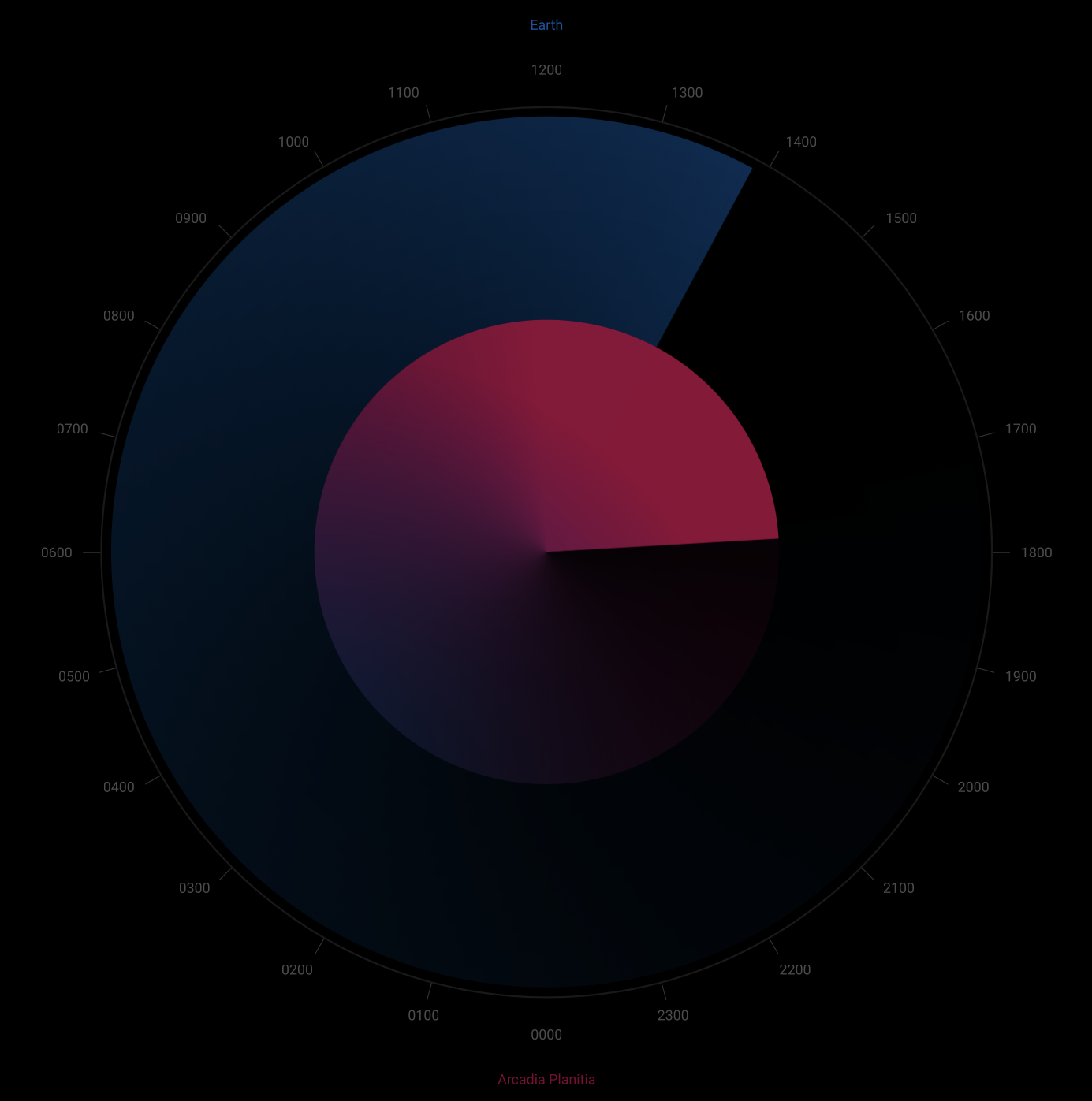
A day on Mars lasts 24 hours, 37 minutes, and 22 seconds. That 37-minute drift means Mars has no fixed time zone relative to Earth: the offset shifts a little every day. Existing clocks aren't built for this.

Arcadia Planitia shows the time at your location on Earth alongside the time at Arcadia Planitia, one of the candidate sites for a first Mars base. The practical use case: planning a video call with someone back home, once that sentence means something.

View → Add to home screen on iOS for fullscreen.

Connected to: Time and impermanence

Digital decay: the image that eats itself

Digital decay: the image that eats itself

Digital pictures don't age. They're either intact or gone, with nothing in between. This experiment added the middle state: an image that lost one pixel per minute for four years. The source files were deleted. The fog in the photograph no longer exists.

The image completed its decay in March 2025. What's left is the record of the question: did we lose something when we stopped making things that could fade?

Connected to: Time and impermanence

24 Frames a Day

24 Frames a Day

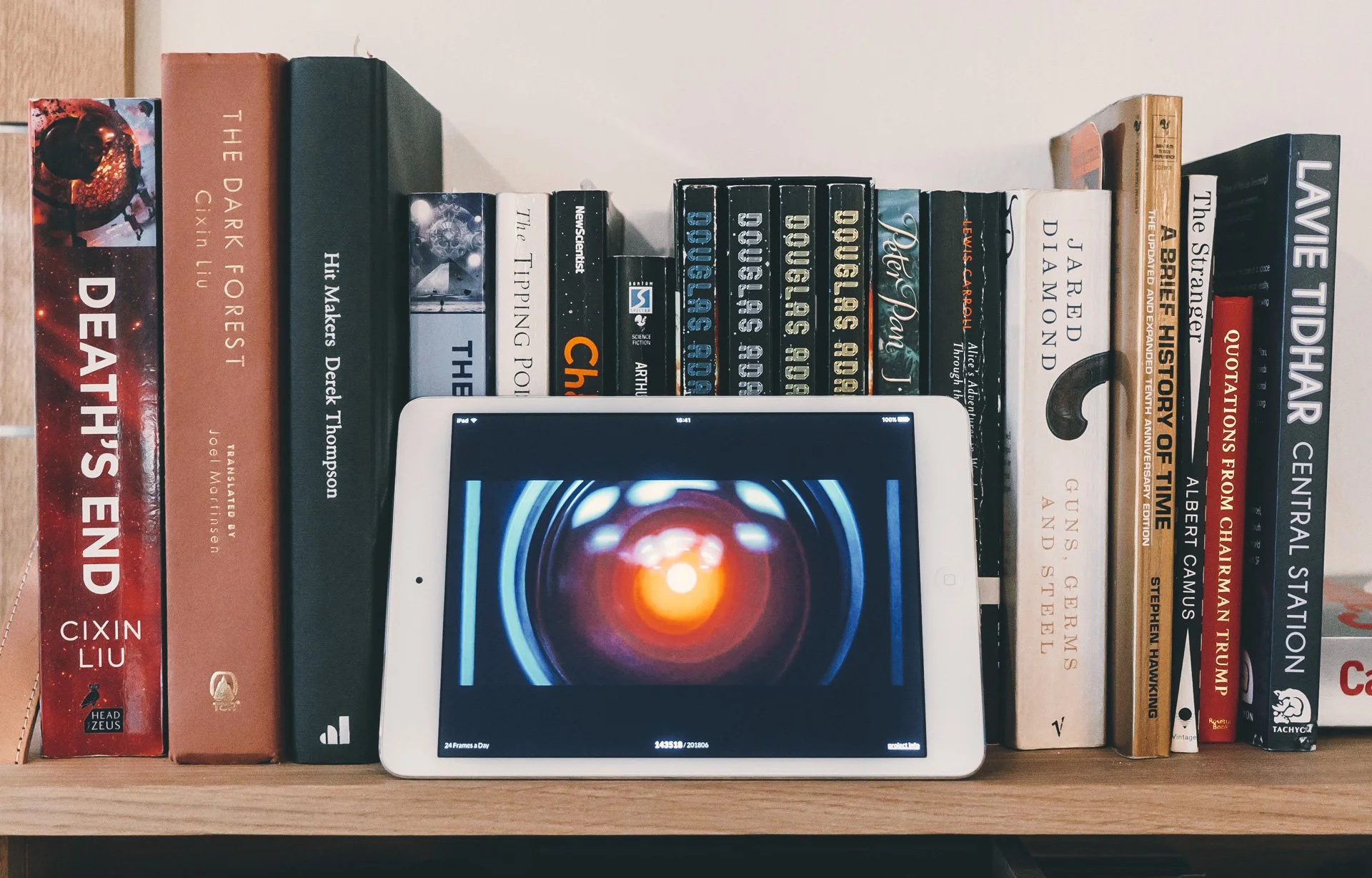
Film compresses and expands time as a matter of craft. This project took that literally: Kubrick's 2001: A Space Odyssey, played back at 24 frames per day instead of 24 per second. At that rate, the film lasted just over 23 years. Each frame was visible for one hour only, then gone for good.

Playback started at a specific moment in the film's story on April 26, 2001. The last frame played on May 3, 2024. It is done now.

View →

Connected to: Time and impermanence

Why we prototype: Building Dawn

Why we prototype: Building Dawn

In winter, the sun rises at roughly the same time in Amsterdam as it does in Chile. In summer, Amsterdam and Madagascar share a sunrise. I found this interesting enough to not let go. Dawn was a watch face that shows where in the world the sun is rising right now: a serendipity engine disguised as a clock.

This piece documents the process of building it: from the initial observation, through the mechanics of finding a sunrise coordinate, to the moment the prototype found the RMS Titanic surfacing at the exact location where it sank. That moment is what prototyping is for.

Read →

Connected to: Prototyping as thinking

How to talk to computers: Meet Wink

With voice interfaces, it's not always clear who's being addressed. When you call out to a room with multiple people in it, your gaze does the work of selecting who you're talking to. Wink was an experiment in giving a computer that same reciprocal quality: a small eye-shaped robot that looks back at you when it sees you, completing the communication loop.

The underlying question was whether signs of life, rather than additional functionality, are what make an interface feel like something you can talk to.

With Alan Nguyen

Connected to: AI and design practice

Can machines be friendly? Friendly Vending

Vending machines are a clear case of people adapting to a machine rather than the other way around. This project asked whether that could be reversed. The machine used motion: soda cans that turned to face you as you approached, products that moved when pointed at, randomness built in so no two interactions felt identical.

Four principles drove the design: reciprocal perception, pre-interaction, physical motion, and randomness. The finding was that friendliness is mostly a question of timing and attention, not personality.

Connected to: AI and design practice